Proudly Serving Washington, D.C., Maryland & Northern Virginia (DMV)


Leave It To Vito
Is Your Old Furnace Ready for MD’s Winter? Signs It’s Time for a New, Efficient System

Trusted by 1,532+ Customers


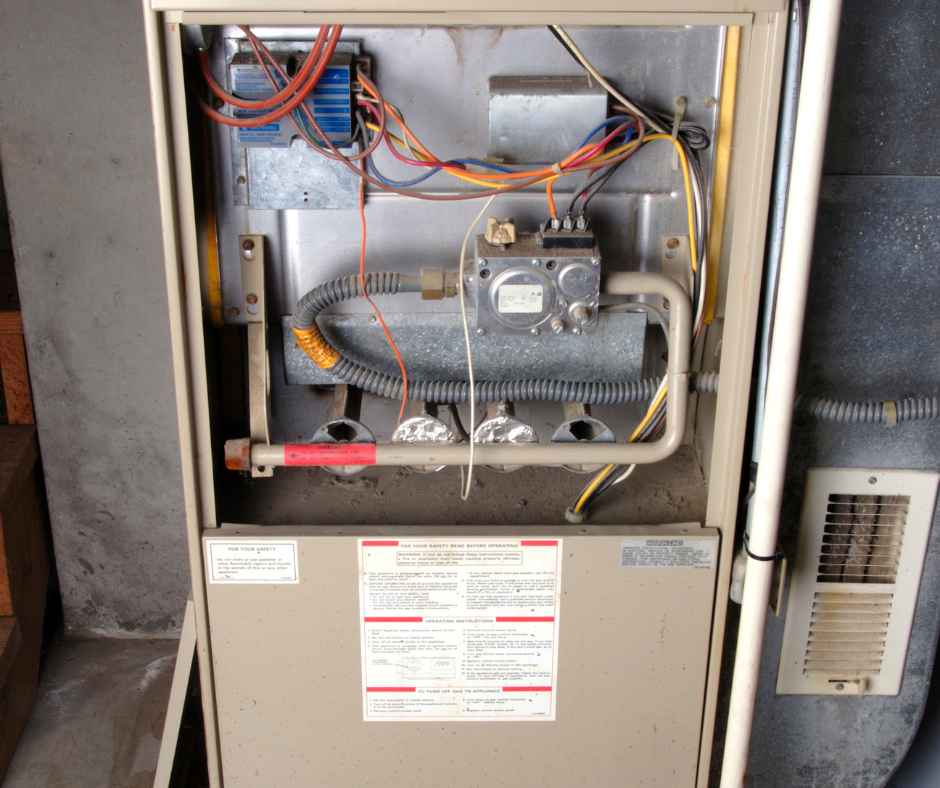
When winter temperatures drop across Montgomery County, Maryland, your furnace becomes one of your home’s most important systems. Whether you’re dealing with freezing nights in Rockville or chilly mornings in Bethesda, reliable heating is essential to keep your home comfortable. But if your furnace is getting older, you may wonder whether it can handle another winter without unexpected problems.
Aging furnaces don’t always fail suddenly. Many develop gradual performance issues, including uneven heating, unusual noises, frequent repairs, and increasing energy consumption. Recognizing these warning signs can help homeowners determine whether maintenance, repairs, or replacement is the most practical solution.
In this guide, we’ll explore how Maryland’s winter weather affects older furnaces, the warning signs that replacement may be necessary, and what to consider when upgrading to a more energy-efficient heating system.
How Does Maryland’s Winter Weather Affect an Aging Furnace?
Maryland winters can bring freezing temperatures, cold winds, and extended periods of increased heating demand. During colder weather, your furnace must operate longer to replace heat escaping through walls, windows, doors, and other parts of your home.
For an older furnace, this increased workload can make existing mechanical problems more noticeable. Components that perform adequately in mild fall temperatures may struggle when the system runs longer.
Common problems that become more noticeable during winter include:
- Restricted airflow: Dirty filters or blower issues can disrupt heat distribution.
- Worn components: Aging mechanical parts may become less reliable.
- Thermostat problems: Faulty controls can affect heating cycles and temperature regulation.
- Ductwork issues: Leaks or restrictions may prevent heated air from reaching certain rooms.
- Neglected maintenance: Unresolved problems can affect performance during periods of heavy use.
Longer heating cycles during freezing weather aren’t automatically a sign of failure. However, a furnace that runs continuously without reaching the thermostat setting may need professional attention.
Scheduling an inspection before severe winter weather arrives can help identify developing problems and reduce the risk of unexpected heating interruptions.
What Warning Signs May Mean Your Furnace Needs Replacement?
Furnaces often signal problems before major mechanical failures. Understanding these symptoms can help you decide when to schedule professional service.
One common concern is frequent repairs. If your furnace needs repeated service calls, multiple components may be deteriorating, especially as the equipment approaches the end of its expected lifespan.
Other warning signs include:
- Uneven heating: Some rooms remain noticeably colder than others.
- Unusual noises: Banging, rattling, squealing, or grinding sounds develop during operation.
- Frequent cycling: The furnace repeatedly starts and stops before completing normal heating cycles.
- Weak airflow: Heated air doesn’t circulate effectively throughout the home.
- Difficulty maintaining temperature: The system struggles to reach the thermostat setting.
- Rising energy consumption: Heating energy use increases despite similar weather and household habits.
- Recurring breakdowns: Repairs provide only temporary relief before additional problems develop.
These symptoms don’t automatically mean you need a replacement. For example, uneven heating may result from ductwork problems, while short cycling can have several repairable causes.
However, multiple warning signs occurring together may indicate broader equipment deterioration.
A professional evaluation can help determine whether individual components need attention or whether replacing the furnace offers better long-term value.
How Long Should a Furnace Last in Montgomery County?
Many homeowners consider replacing residential furnaces after about 15 to 20 years of operation. However, actual service life depends on equipment quality, installation, maintenance, and operating conditions.
A properly maintained furnace may continue operating reliably beyond this general range. Another system may develop significant problems earlier because of component wear, installation issues, or inadequate maintenance.
Therefore, consider age alongside the furnace’s overall condition. If your system is approaching 15 years old, review its maintenance history and recent repair costs to decide whether replacement makes sense.
Homeowners should also consider safety. Gas-burning furnaces require proper combustion and venting to operate safely, and certain equipment failures can create carbon monoxide hazards.
Maintain functioning carbon monoxide alarms and arrange professional inspections when combustion-related problems are suspected.
If a carbon monoxide alarm sounds or you suspect a gas leak, leave the building immediately and contact emergency services or your gas utility from a safe location. Never attempt to inspect or repair gas-burning components yourself.
Why Are Your Winter Heating Bills Increasing?
Higher winter heating bills can indicate declining furnace performance, but they don’t always mean your equipment needs replacement. During colder weather, your furnace naturally consumes more energy because it must replace heat escaping from the home.
Utility rate increases can also raise monthly bills even when energy consumption remains relatively stable. Other factors that increase heating expenses include thermostat settings, poor insulation, air leaks, ductwork problems, and restricted airflow.
An aging furnace may also experience performance issues that affect heating efficiency. However, the relationship between equipment age and energy consumption isn’t always straightforward.
Before assuming your furnace is responsible, compare energy usage across similar winter periods rather than looking only at the total amount billed. If your heating energy consumption has increased significantly and your furnace shows other performance problems, a professional can diagnose the cause.
In some cases, repairs or home efficiency improvements may address the problem without requiring new heating equipment.
When Should You Repair Your Furnace Instead of Replacing It?
Choosing between furnace repair and replacement involves balancing immediate expenses with long-term reliability.
A relatively new furnace with an isolated mechanical problem may be a good candidate for repair, especially if it’s still under warranty. However, repeated repairs on an aging system can become increasingly expensive.
Several factors can help guide the decision:
Equipment Age
A newer furnace may have many years of useful service remaining. An older system with multiple deteriorating components may offer less long-term value.
Repair Frequency
Occasional repairs are normal, but repeated breakdowns can indicate broader mechanical problems.
Repair Costs
A minor repair may be worthwhile even on older equipment. Major component replacements warrant closer evaluation as the furnace nears the end of its expected lifespan.
Heating Performance
If your furnace continues struggling to maintain comfortable temperatures after repairs, replacement may be worth considering.
Safety Concerns
Certain combustion or heat exchanger problems require immediate professional attention. Depending on the equipment’s condition and repairability, replacement may be necessary.
No universal formula determines when replacement becomes the better financial decision. A professional assessment should consider repair costs, equipment condition, warranty coverage, and expected remaining service life.
What Are the Benefits of Upgrading to an Energy-Efficient Furnace?
Modern high-efficiency furnaces can offer advantages over older equipment, particularly when replacing a system with a substantially lower efficiency rating.
One important measurement is Annual Fuel Utilization Efficiency, commonly called AFUE.
AFUE indicates how efficiently a furnace converts fuel into usable heating energy over a typical heating season. For example, an 80% AFUE furnace converts approximately 80% of its fuel energy into useful heat. A 95% AFUE furnace converts about 95% of its fuel energy into useful heat.
Higher AFUE ratings generally indicate greater fuel-use efficiency. However, actual energy savings depend on your existing furnace, local utility prices, thermostat settings, heating demand, and installation quality.
A new furnace can also improve comfort when properly selected and installed. Depending on the equipment, features such as variable-speed blowers or multi-stage heating can help maintain more consistent indoor temperatures. These features may also improve temperature control during Maryland’s fluctuating winter conditions.
Still, homeowners shouldn’t assume that the highest-efficiency furnace is automatically the best investment. The appropriate choice depends on equipment costs, household heating needs, and expected operating expenses.
How Do You Choose the Right Replacement Furnace for Your Home?
Replacing an aging furnace involves more than selecting equipment with a higher efficiency rating.
Proper system sizing is essential to maintain comfort and support efficient operation.
An oversized furnace may cycle frequently, creating uneven temperatures and unnecessary equipment wear. An undersized system may struggle to maintain comfortable temperatures during colder weather.
A professional heating load calculation helps determine the appropriate capacity for your home.
Important considerations include:
- Home size and layout: Square footage and room configuration affect heating demand.
- Insulation levels: Better insulation can reduce heating needs.
- Windows and air leakage: Heat loss influences equipment sizing.
- Ductwork condition: Existing ducts must support appropriate airflow.
- Fuel availability: Natural gas, electricity, and other energy sources affect equipment options.
- Efficiency preferences: Higher-efficiency systems may offer operating advantages depending on the home.
Some Montgomery County homeowners may also benefit from exploring heat pumps or dual-fuel heating systems.
These alternatives use different technologies and efficiency measurements than conventional furnaces.
A professional evaluation can help determine which heating system best matches your home’s needs, existing infrastructure, and budget.
Schedule Furnace Replacement With Vito Services
An aging furnace doesn’t automatically need replacement, but frequent repairs, declining performance, and persistent comfort problems can indicate that it’s time to consider an upgrade. Evaluating your heating system before Maryland’s coldest weather arrives can help you avoid unexpected breakdowns and invest more wisely.
At Vito Services, we help Montgomery County homeowners address heating concerns and explore solutions for dependable indoor comfort. Whether your furnace needs professional repairs, routine maintenance, or replacement, understanding its condition is the first step toward choosing the right approach.
If your furnace struggles to maintain comfortable temperatures, needs frequent repairs, or is nearing the end of its expected lifespan, professional guidance can help you decide what comes next. Contact Vito Services today to schedule a heating system evaluation and discuss furnace repair or replacement options for your Maryland home.