Proudly Serving Washington, D.C., Maryland & Northern Virginia (DMV)



Leave It To Vito
Don’t Skip Your Furnace Tune-Up in Montgomery County: Avoid Costly Winter Breakdowns

Trusted by 1,527+ Customers


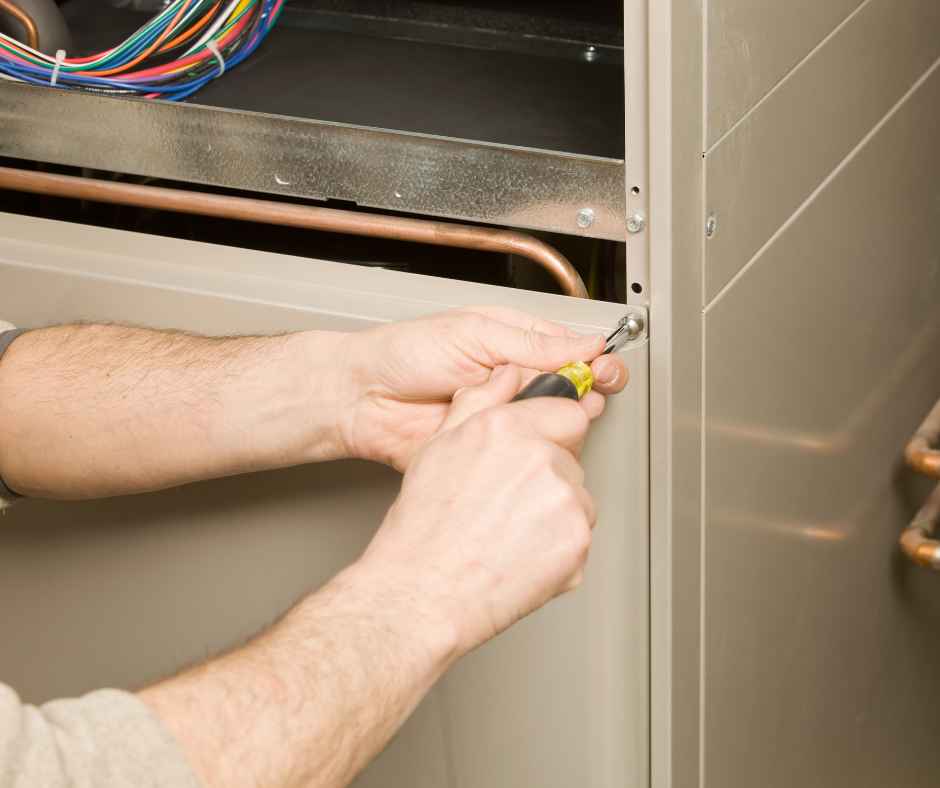
Your furnace turns on during the first chilly morning of fall, warm air comes through the vents, and everything seems fine. That means your heating system is ready for winter, right? Not necessarily.
A furnace can run while worn components, airflow restrictions, ignition problems, or other issues develop behind the scenes. Once winter arrives and the system runs more often, those smaller concerns can become harder to ignore.
For Montgomery County homeowners, fall furnace maintenance offers a chance to catch potential problems before you rely on your heating system every day.
In this guide, we’ll explain why furnace tune-ups matter, what professional maintenance can uncover, which warning signs deserve attention, and how preparing your furnace this fall can reduce the risk of an unexpected winter breakdown.
Why Does Your Furnace Need a Tune-Up Before Winter?
A furnace tune-up helps determine whether your heating system is operating properly before it enters a period of heavier use.
During professional maintenance, a technician can inspect the furnace, evaluate its operation, and look for conditions that could affect reliability, comfort, performance, or safety.
That can be especially valuable if the furnace has been largely inactive during warmer weather.
Fall maintenance provides an opportunity to:
- Identify developing mechanical problems
- Check heating system operation
- Look for airflow restrictions
- Evaluate safety-related components
- Catch unusual wear or deterioration
- Address minor concerns before winter
- Determine whether additional furnace repair is recommended
Maintenance cannot guarantee that a furnace will never break down. It can give you more information about your system’s condition before you need it most.
What Does a Professional Furnace Tune-Up Include?
The exact maintenance process depends on the furnace, its condition, and your home’s heating system.
Generally, a professional furnace tune-up involves inspecting important components and evaluating how the system operates.
Depending on the equipment, service may include checking:
- Thermostat operation
- Air filters
- Blower components
- Airflow
- Electrical connections and components
- Ignition operation
- Burner operation on applicable systems
- Safety controls
- Venting and combustion-related components
- System cycling
- Visible signs of deterioration
- Overall heating performance
A tune-up is more than simply turning the furnace on and confirming that warm air comes from the vents.
The goal is to evaluate how the system is operating and identify anything that may require additional attention.
Can a Furnace Tune-Up Help Prevent Winter Breakdowns?
Furnace maintenance can reduce the likelihood that certain developing problems catch you by surprise, but no tune-up can promise a breakdown-free winter.
Mechanical equipment can still fail unexpectedly.
Preventive maintenance helps because some furnace problems show clues before they cause a complete shutdown. During the inspection, a technician may find a worn component, an airflow issue, abnormal operation, or another concern.
Addressing an issue in the fall is often easier than discovering it when the furnace stops heating in winter. Think of maintenance as an opportunity to catch what can be caught, rather than a guarantee that nothing will ever go wrong.
What Furnace Problems Can Be Found During Fall Maintenance?
Some heating problems are obvious. Others can develop gradually without immediately preventing the furnace from running.
Professional maintenance may reveal concerns involving:
- Ignition components
- Electrical connections
- Blower operation
- Dirty components
- Airflow restrictions
- Thermostat performance
- Unusual furnace cycling
- Worn components
- Venting
- Visible corrosion or deterioration
- Other abnormal operating conditions
Finding one of these issues does not necessarily mean you need a major furnace repair.
Sometimes the solution may involve routine maintenance or a relatively straightforward correction. Other findings may require further diagnosis or repair.
The advantage is knowing about the problem before your heating system is under heavier demand.
Can Furnace Maintenance Improve Heating Efficiency?
Maintenance can help a furnace operate as intended, especially when dirt, airflow restrictions, or neglected components affect performance.
Consider something as simple as airflow.
A dirty or severely restricted filter can make it harder for air to move through the HVAC system. Other airflow problems can also affect comfort and system operation.
Maintenance provides an opportunity to identify these conditions.
Homeowners should also pay attention to changes such as:
- Longer heating cycles
- Uneven temperatures
- Weak airflow
- Frequent starts and stops
- Rooms that are increasingly difficult to heat
- Unexpected changes in energy use
These symptoms do not automatically mean the furnace is inefficient or needs replacement. They do indicate that something may have changed.
A professional evaluation can help determine whether maintenance, repair, ductwork, controls, insulation, or another factor is contributing to the problem.
How Does a Tune-Up Help With Furnace Safety?
Safety is another important reason to have heating equipment professionally maintained.
Depending on the furnace type, a technician may inspect combustion-related components, venting, electrical systems, safety controls, and other areas that affect safe operation.
Certain symptoms should never be ignored, including:
- Persistent unusual odors
- Signs of overheating
- Repeated unexplained shutdowns
- Abnormal burner operation
- Visible damage or deterioration
- Carbon monoxide alarms
If a carbon monoxide alarm activates, follow the alarm manufacturer’s instructions and seek appropriate emergency assistance. Do not attempt to diagnose combustion equipment yourself.
Furnace maintenance also does not replace carbon monoxide and smoke alarms. Homeowners should maintain and test alarms according to manufacturer recommendations.
What Happens if You Skip Furnace Maintenance?
Skipping one furnace tune-up does not mean your heating system will automatically fail.
The bigger concern is that developing problems can go unnoticed.
Without periodic inspection, you may miss:
- Components beginning to wear
- Increasingly restricted airflow
- Abnormal system cycling
- Electrical concerns
- Dirty components
- Deteriorating performance
- Safety-related issues
- Early signs of a larger repair
Some problems worsen gradually.
You may not notice the change because you become accustomed to longer heating cycles, slightly weaker airflow, or increasingly uneven temperatures.
Then the system stops working, making the problem seem sudden even though warning signs may have been developing for some time.
What Are the Signs Your Furnace Needs Service Now?
You do not need to wait for your scheduled maintenance appointment if your furnace is already behaving differently.
Call for heating service if you notice:
- Unusual banging, rattling, squealing, or other new noises
- Persistent strange odors
- Weak airflow from vents
- Uneven heating throughout the home
- Frequent starts and stops
- Difficulty getting the furnace to start
- Furnace shutdowns
- Unexpectedly long heating cycles
- Significant changes in heating performance
- Recurring furnace repairs
Pay particular attention to problems that happened last winter.
If your furnace struggled during colder weather but seemed fine once spring arrived, the underlying problem may not have disappeared. The system simply has not faced the same heating demand. Fall is a good time to revisit it.
Should You Tune Up an Older Furnace or Replace It?
An older furnace still benefits from professional evaluation, and age alone does not mean the system automatically needs replacement.
Maintenance can actually provide useful information when deciding whether to continue operating an aging furnace.
A technician can evaluate factors such as:
- Overall equipment condition
- Recent repair history
- Current performance
- Safety
- Signs of significant wear
- Reliability concerns
- Repairs that may be needed
If an older furnace remains safe and reliable and only needs routine maintenance, continuing to use it may make sense.
The decision changes when an aging system begins requiring frequent or significant repairs, struggles to heat the home, or develops major safety or reliability concerns.
Rather than replacing a furnace simply because it is old, use its age as one part of a broader evaluation.
When Is the Best Time to Schedule a Furnace Tune-Up in Montgomery County?
Fall is a practical time for furnace maintenance because it allows you to evaluate the heating system before sustained winter use.
Scheduling earlier gives you time to address anything the inspection uncovers.
For example, if a technician recommends a repair, you can consider your options without waiting for a no-heat situation. If an aging furnace has more significant problems, you also have time to discuss whether repair or replacement makes more sense.
Already missed your preferred fall maintenance window?
That does not mean you should skip the tune-up entirely. Furnace maintenance can still provide value later in the heating season, especially if the system has not been professionally evaluated recently.
What Can Homeowners Do Between Professional Furnace Tune-Ups?
Combine professional maintenance with basic homeowner attention throughout the heating season.
Safe steps homeowners can take include:
- Check or replace HVAC filters according to system and filter recommendations.
- Keep supply and return vents unobstructed.
- Keep the area around heating equipment clear.
- Watch for new noises or odors.
- Watch for changes in airflow or comfort.
- Check thermostat operation.
- Test smoke and carbon monoxide alarms according to manufacturer instructions.
- Schedule service instead of ignoring recurring furnace problems.
Avoid opening furnace components or attempting DIY work involving burners, gas connections, internal electrical systems, or combustion equipment.
If something seems wrong, professional diagnosis is safer than experimenting with the system.
Schedule Your Fall Furnace Tune-Up With Vito Services
Your furnace turning on doesn’t tell you everything about its condition. A fall furnace tune-up gives Montgomery County homeowners an opportunity to identify developing problems, evaluate system performance, address maintenance needs, and learn whether repairs should be completed before winter places heavier demands on the equipment.
It cannot guarantee your furnace will never break down. It can help reduce the chance that an existing problem remains hidden until you need heat most.
Vito Services can inspect and maintain your heating system and help address furnace problems before they become more disruptive. If your furnace is due for maintenance or showed signs of trouble last winter, contact us today to schedule a furnace tune-up and prepare your Montgomery County home for the heating season.