
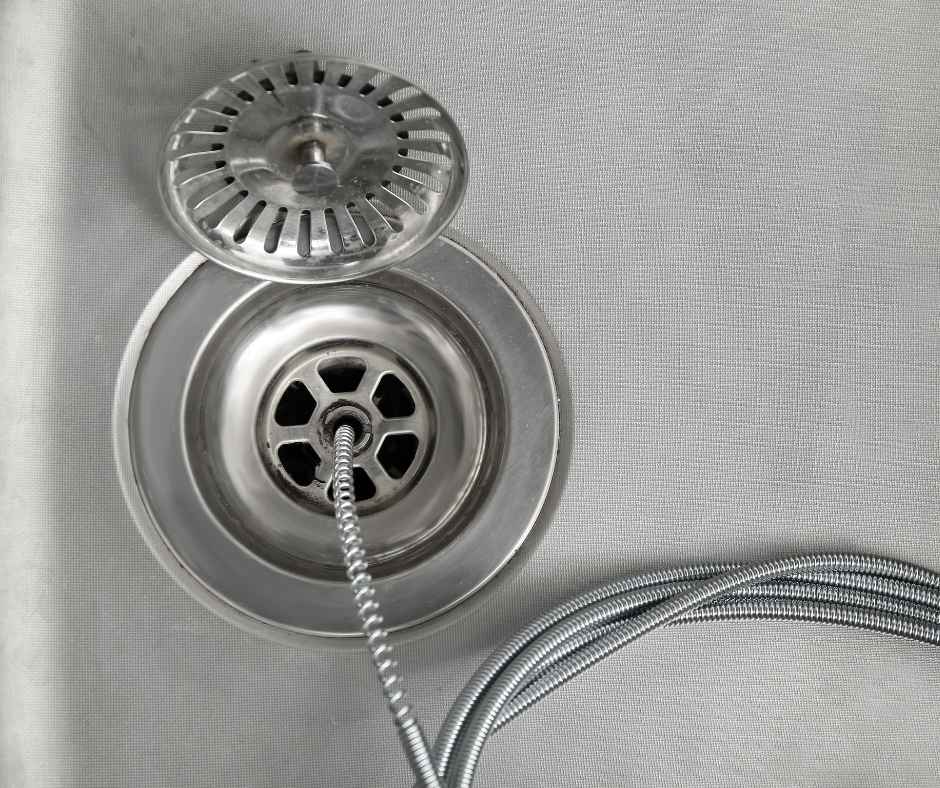
As the ground thaws and the cherry blossoms begin to stir in Montgomery County, Rockville homeowners often turn their attention to spring cleaning. While most focus on windows and garden beds, your home’s drainage system is arguably the most critical area to address after a long winter. The transition from freezing temperatures to the frequent rain showers of a Maryland spring puts unique pressure on your pipes, making this the perfect time to clear out the debris of the past season.
In this blog, we will share essential tips for preparing your drains for the increased water volume of spring. From preventing root intrusion to clearing kitchen grease, a proactive approach can save you from messy backups and expensive emergency repairs.
Clearing the Winter Buildup: Why Spring Drains are Different
During a Rockville winter, your plumbing system often experiences a slower flow as grease and soap scum solidify in cold pipes. As spring arrives, the sudden increase in water usage can overwhelm these narrowed passages. This seasonal shift often reveals hidden clogs that have been slowly developing throughout the freezing months.
Addressing these accumulations now prevents a complete “soft blockage” from turning into a full-scale backup during a spring storm. Early plumbing maintenance focuses on removing the heavy organic matter before it has a chance to catch on to more permanent obstructions. To clear your system of winter sludge, prioritize these specific tasks:
- Flushing with Hot Water: Running very hot water down all drains for several minutes to melt away any congealed fats or soap residue that hardened during winter.
- Cleaning P-Traps: Removing and cleaning the U-shaped pipes under your bathroom and kitchen sinks to clear out accumulated hair and debris.
- Inspecting Floor Drains: Checking basement and utility room drains for standing water, which often indicates a slow-moving main line.
- Evaluating Drain Speed: Timing how long it takes for a full sink or bathtub to drain; any gurgling or slow vortexing is a sign of a partial clog.
- Neutralizing Odors: Using a mixture of baking soda and vinegar to break down minor organic buildup and eliminate musty “winter smells.”
- Checking the Garbage Disposal: Cleaning the blades and the splash guard to ensure food particles aren’t trapping grease at the kitchen sink’s exit.
- Testing External Catch Basins: Ensuring your outdoor yard drains are clear of dead leaves and winter grit so they can handle the Maryland spring rain.
By clearing the “winter sludge” early, you restore your pipes to their full diameter. This preparation is the first step in ensuring your home can handle the heavy water demands of the coming months.
Protecting Your Main Line from Spring Root Growth
The warming soil in Rockville triggers a growth spurt in the roots of our local oaks and maples. These roots are naturally drawn to the moisture and nutrients found inside your sewer lines, and even a tiny hairline crack in an older pipe can provide an entry point. Once inside, these roots grow rapidly, acting as a net that catches grease and paper, eventually causing a complete blockage of the main line.
Spring is the most active time for root intrusion, making it a critical window for preventive plumbing maintenance. Identifying the early signs of root activity can help prevent a traumatic sewage backup in your basement. Watch for these indicators that local trees are encroaching on your plumbing:
- Multiple Slow Drains: Finding that toilets, tubs, and sinks all drain slowly at the same time, which typically points to a main line issue.
- Gurgling Toilets: Hearing a bubbling sound from the toilet bowl when you run a nearby sink or shower, caused by air trapped behind a root mass.
- Unusual Yard Dampness: Noticing a patch of grass that is greener or much more lush than the rest of the yard, often located directly over the sewer path.
- Recurrent Backups: Experiencing a “sinkhole” or minor sewage backup every few months, suggesting roots are growing back after a temporary clearing.
- Foul Exterior Odors: Smelling sewer gas near your home’s foundation or in the yard, indicating a possible root-related break in the pipe.
- Tree Proximity: Assessing the distance of large trees to your sewer line; anything within twenty feet is a candidate for root intrusion.
- Age of Pipes: Given the material of your sewer line; older clay or cast-iron pipes are significantly more susceptible to roots than modern PVC.
Managing roots early often allows for non-invasive treatments before the pipe is structurally compromised. Protecting this vital connection to the Rockville municipal system is a high-priority spring task.
Managing Spring Runoff: Sump Pumps and Exterior Drains
Rockville is no stranger to heavy spring downpours that can quickly saturate the Maryland soil. When the ground becomes waterlogged, the hydrostatic pressure against your foundation increases, making your sump pump and exterior drainage system your most important line of defense. A failure in these systems during a spring storm often results in immediate basement flooding and significant property damage.
Checking these components is a vital part of your seasonal plumbing maintenance. Ensuring that water is being diverted away from your home rather than toward it protects your structural integrity. To prepare your drainage for the rainy season, follow these steps:
- Testing the Float Switch: Filling the sump pit with water to ensure the pump activates automatically and shuts off once the water level drops.
- Cleaning the Pump Inlet: Removing any gravel or debris from the bottom of the basin that could clog the intake and cause the motor to burn out.
- Checking the Discharge Pipe: Verifying that the pump’s discharge point is clear and that water is released at least 10 feet away from your foundation.
- Inspecting the Check Valve: Ensuring the valve is preventing water from flowing back into the pit after the pump stops running.
- Clearing Gutter Downspouts: Removing winter leaves and sticks to prevent roof water from pooling directly against your basement walls.
- Verifying Yard Drainage: Checking that French drains or catch basins are not obstructed by mulch or overgrown spring grass.
- Testing Battery Backups: Ensuring your backup power source is charged and ready in case a spring thunderstorm causes a local power outage.
Maintaining these systems now keeps your basement dry during even the heaviest Rockville rain. Proactive drainage care is much cheaper than professional water restoration services.
Kitchen and Laundry: Handling the Spring Cleaning Load
Spring cleaning often involves heavy-duty laundry cycles and thorough kitchen scrubbing, both of which place a sudden, high demand on your indoor drains. If your pipes are already narrowed by winter buildup, this increased volume of soapy, lint-heavy water can lead to a messy “backup in the sink” or a flooded laundry room. Ensuring these high-traffic drains are clear is a foundational part of plumbing maintenance for any Rockville household.
A little prevention in the kitchen and laundry room goes a long way in avoiding a weekend plumbing disaster. Focus on these indoor drainage areas during your spring refresh:
- Cleaning the Washing Machine Filter: Checking the debris filter at the bottom of your machine to prevent lint from clogging the discharge hose.
- Inspecting Discharge Hoses: Looking for kinks or brittle spots in the flexible hoses behind your washer and dishwasher.
- Refreshing the Disposal: Grinding ice cubes and lemon peels to sharpen the blades and remove organic slime that causes slow drainage.
- Laundry Tub Snaking: Using a small hand snake to clear hair and lint from the utility sink where your washer drains.
- Grease Management: Remind everyone in the house not to pour cooking oils down the drain, especially since cold spring pipes can cause them to solidify instantly.
- Strainers and Stoppers: Cleaning the accumulated gunk from bathroom pop-up stoppers and kitchen sink strainers.
- Eco-Friendly Enzyme Treatments: Using a natural enzyme drain cleaner once a month to eat away at organic matter without damaging your pipes.
Taking care of these small tasks ensures your plumbing can keep up with your spring cleaning schedule. Keeping these pathways clear is essential for a high-functioning home.
The Value of a Professional Spring Drain Scoping
While manual cleaning helps, it cannot identify structural issues hidden deep within your pipes. At Vito Services, we use high-definition sewer cameras to provide a “look inside” your Rockville home’s main line. This diagnostic tool allows us to see exactly where roots are entering or where a pipe may be beginning to swell before a total failure occurs.
In an older community like Rockville, knowing the true condition of your underground infrastructure is vital. A professional plumbing maintenance visit offers several key benefits:
- Accurate Diagnosis: Seeing the exact cause of a clog, whether it’s roots, a collapsed pipe, or a foreign object.
- High-Pressure Jetting: Using specialized hydro-jetting equipment to scrub pipes clean to their original diameter, something a standard snake cannot do.
- Long-Term Planning: Providing you with a video record of your pipes so you can make informed decisions about future repairs.
Get Your Rockville Drains Spring-Ready
Don’t let a clogged drain dampen your spring spirits. By following these early-season tips, you can ensure your home handles the Maryland rains and your spring cleaning with ease.
Vito Services is here to provide the expert care and local Rockville knowledge your plumbing needs. If you’re noticing slow drains or want the peace of mind that comes with a professional inspection, contact us today to schedule your spring drain cleaning service.
FAQ: Rockville Spring Drain Cleaning
Why do my drains smell worse when the weather gets warm?
As temperatures rise, the organic matter trapped in your drains begins to decompose faster. A thorough cleaning with baking soda and vinegar or a professional flush can eliminate these odors.
Can I use chemical drain cleaners to clear spring roots?
We do not recommend it. Chemical cleaners are often caustic and can damage your pipes or the environment without effectively removing a thick root mass.
How often should I test my sump pump?
In Maryland, you should test your sump pump at the start of every spring and before any predicted heavy rainstorm to ensure it is ready for the runoff.
My toilet gurgles when the washing machine drains. Is that a problem?
Yes. This “gurgling” is a sign that air is being trapped in your lines, usually because of a partial clog in the main stack or a venting issue.
What is hydro-jetting?
Hydro-jetting uses high-pressure water to blast away grease, scale, and small roots from the inside of your pipes, restoring them to like-new condition.