
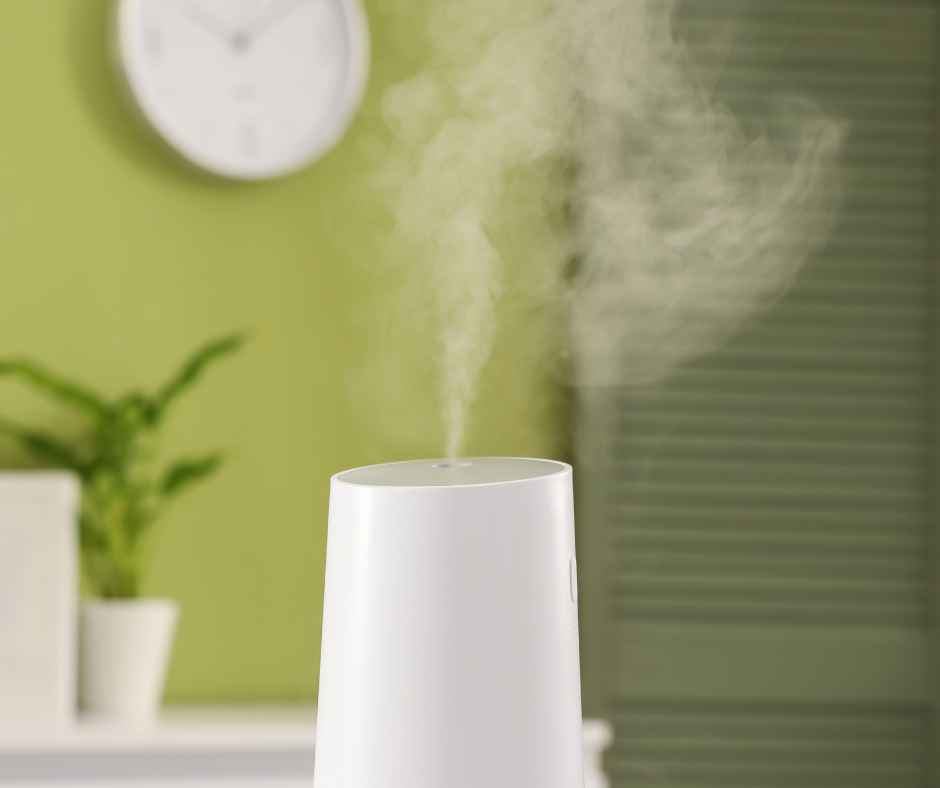
Indoor air quality systems improve comfort by doing more than just cleaning the air. In DMV homes, the right combination of filtration, humidity control, ventilation, and air purification can help reduce stale air, airborne particles, moisture problems, odors, and uneven comfort that make a house feel less healthy and less comfortable day to day.
Many homeowners think indoor comfort starts and ends with temperature. If the thermostat says 72, the house should feel good. But that is not always how comfort works.
A home can be the “right” temperature and still feel dusty, stuffy, humid, dry, stale, or harder to breathe in. That is where indoor air quality systems make a real difference. In many DMV homes, comfort improves when the air is cleaner, moisture is better controlled, and stale indoor air is managed more effectively.
In this guide, you will learn how indoor air quality systems improve comfort, which problems they help solve, and what DMV homeowners should know when deciding whether their home needs better filtration, humidity control, or ventilation.
Why Indoor Air Quality Affects Comfort More Than Homeowners Realize
Comfort is not just about air temperature. It is also about how the air feels, smells, and moves through the home.
When indoor air quality is poor, homeowners often notice problems like:
- stale air
- lingering odors
- excess dust
- sticky rooms
- dry indoor air
- uneven comfort
- more irritation from allergens or airborne particles
Indoor air quality is directly tied to occupant comfort, and source control, ventilation, and filtration are key to improving it.
What Counts as an Indoor Air Quality System?
Indoor air quality systems can include several types of equipment designed to improve indoor air quality.
That may include:
- upgraded HVAC filtration
- whole-home air cleaners
- UV or purification add-ons
- dehumidifiers
- humidifiers
- whole-home ventilation systems
- fresh air systems tied into the HVAC setup
The right solution depends on the problem the home is actually dealing with. Some homes need better filtration. Others need moisture control. Others need more controlled ventilation.
How Better Filtration Improves Everyday Comfort
Filtration is one of the most direct ways to improve how a home feels. When the system does a better job capturing airborne particles, homeowners often notice:
- less dust settling on surfaces
- cleaner-feeling air
- fewer airborne irritants
- less buildup circulating through the HVAC system
Filtration works best as part of a broader indoor air quality strategy, but it can be an effective supplement when paired with source control and ventilation.
Why Humidity Control Makes Such a Big Difference
Humidity has a huge effect on comfort.
If indoor air is too humid, the house can feel sticky, heavy, and warmer than the thermostat suggests. If indoor air is too dry, it can feel irritating and uncomfortable in a different way.
Managing indoor moisture is one of the most practical ways to improve comfort. Keeping humidity in a healthier range can also help reduce mold and moisture-related problems. EPA recommends controlling moisture and keeping humidity between 30% and 50% where possible.
How Ventilation Helps a Home Feel Fresher
A tightly closed home can trap indoor pollutants, odors, and stale air. That is one reason ventilation matters so much.
Bringing in the right amount of outdoor air helps dilute indoor pollutants and improve indoor air quality. Mechanical ventilation can also support comfort by helping manage odors, moisture, and air exchange more consistently than opening windows alone.
For many DMV homes, especially newer or more tightly sealed ones, better ventilation can make the home feel less closed-in and more balanced overall.
Can Indoor Air Quality Systems Help With Odors?
Yes, depending on the source of the odor.
Persistent odors are often a sign that air is not being filtered, exchanged, or managed properly. Cooking smells, pet odors, stale air, and moisture-related odors can all linger more in homes with poor ventilation or weak airflow.
Indoor air quality improvements often help by:
- increasing fresh-air exchange
- reducing airborne particles
- addressing moisture that contributes to musty smells
- improving overall air circulation
Comfort improves when the home smells cleaner and less stagnant, not just when it is cooler or warmer.
What Problems Are Most Common in DMV Homes?
In DMV homes, indoor comfort issues often stem from a mix of seasonal humidity, allergens, dust, and stale indoor air, and from modern homes being more tightly sealed than older ones.
That can show up as:
- dusty rooms
- allergy irritation
- muggy indoor air
- dry air in the heating season
- uneven airflow
- rooms that feel stale even when the HVAC system is running
Indoor pollutant levels can rise when homes lack sufficient ventilation, and modern homes can trap more indoor pollutants if airflow and ventilation are not properly addressed.
Do Air Quality Systems Only Help With Health Concerns?
No. They also help with day-to-day comfort.
Even homeowners who are not focused on allergy or asthma issues often notice the difference when indoor air quality improves. A home with better air quality often feels:
- fresher
- less dusty
- less humid
- less stuffy
- more consistent from room to room
That is why indoor air quality upgrades are often comfort upgrades as much as air-cleaning upgrades.
Which System Makes the Biggest Difference?
That depends on what the home is struggling with.
A few examples:
- If the home feels dusty, filtration may be the most important factor.
- If the home feels sticky, a dehumidifier may make the biggest difference.
- If the home feels stale, ventilation may be the missing piece.
- If the home has multiple issues, a combination approach may work best.
The most effective improvements usually start with identifying the actual source of discomfort rather than assuming that one device fixes everything. Source control, ventilation, and filtration are the core strategies for improving indoor air.
Signs Your Home May Need an Indoor Air Quality Upgrade
Some of the most common signs include:
- rooms that feel stuffy
- lingering odors
- visible dust buildup
- uneven humidity
- muggy indoor air
- dry winter air
- recurring comfort complaints even when the HVAC is running
- allergy irritation that seems worse indoors
When these problems keep showing up, it often means the home needs more than a temperature adjustment.
What This Means for DMV Homeowners
When homeowners think about indoor air quality systems, these are usually the comfort benefits that matter most:
- Cleaner-feeling air
- Better humidity control
- Less dust and fewer airborne particles
- Fresher indoor air
- Reduced stuffiness and odor buildup
- More balanced comfort throughout the home
The best results usually come from matching the solution to the home instead of installing equipment without first understanding the problem.
Improve Comfort by Improving the Air
If your home feels dusty, stale, or humid, or if breathing is harder, the problem may not be your thermostat. It may be your indoor air.
Vito Services can help DMV homeowners evaluate filtration, humidity control, ventilation, and other indoor air quality upgrades that improve how a home feels every day. If your home is comfortable on paper but not in real life, contact us today and leave better indoor air quality to Vito.